
Story
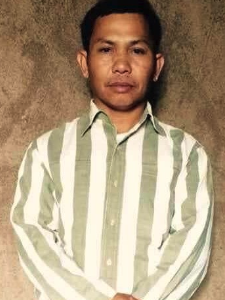
In 2016, Siu Dik was sentenced to eight years in prison for leading a religious group unapproved by the government. He was accused of supporting separatism and undermining national unity through his religious activities. His arrest and subsequent conviction are part of Vietnam’s broader crackdown on independent religious groups, particularly the Degar Protestant Church. Dik’s case highlights the repression faced by religious leaders and communities who refuse to conform to state-sanctioned religious practices. His conviction is a reflection of the risks taken by those who practice their faith outside the control of the government.
Action Steps
In 2016, Siu Dik was sentenced to eight years in prison for leading a religious group unapproved by the government. He was accused of supporting separatism and undermining national unity through his religious activities. His arrest and subsequent conviction are part of Vietnam's broader crackdown on independent religious groups, particularly the Degar Protestant Church. Dik’s case highlights the repression faced by religious leaders and communities who refuse to conform to state-sanctioned religious practices. His conviction is a reflection of the risks taken by those who practice their faith outside the control of the government.
Charges
200$
Legal Status
Yes — He has been officially sentenced.
Health Status
Not good — Although previously listed as "good," his actual condition is concerning. He has suffered a stroke while in detention and has not received adequate medical care, which has led to a decline in his health.
Family Information
In 2016, Siu Dik was sentenced to eight years in prison for leading a religious group unapproved by the government. He was accused of supporting separatism and undermining national unity through his religious activities. His arrest and subsequent conviction are part of Vietnam's broader crackdown on independent religious groups, particularly the Degar Protestant Church. Dik’s case highlights the repression faced by religious leaders and communities who refuse to conform to state-sanctioned religious practices. His conviction is a reflection of the risks taken by those who practice their faith outside the control of the government.