
Story
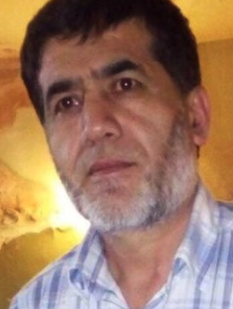
Nematjon Isroilov, a Crimean Tatar activist, was sentenced to 13 years for allegedly being a member of the banned Hizb ut-Tahrir organization. In Ukraine, Hizb ut-Tahrir is not considered a criminal organization, and the charges are widely seen as an attempt to silence dissent. Isroilov’s imprisonment is a part of a broader pattern of repression targeting members of the Crimean Tatar community and those resisting Russia’s control over Crimea, and human rights organizations have condemned these prosecutions as politically motivated and based on fabricated charges.
Action Steps
Nematjon Isroilov, a Crimean Tatar activist, was sentenced to 13 years for allegedly being a member of the banned Hizb ut-Tahrir organization. In Ukraine, Hizb ut-Tahrir is not considered a criminal organization, and the charges are widely seen as an attempt to silence dissent. Isroilov’s imprisonment is a part of a broader pattern of repression targeting members of the Crimean Tatar community and those resisting Russia’s control over Crimea, and human rights organizations have condemned these prosecutions as politically motivated and based on fabricated charges.
Charges
200$
Legal Status
Yes — He has been officially sentenced.
Health Status
Not good — Although previously listed as "good," his actual condition is concerning. He has suffered a stroke while in detention and has not received adequate medical care, which has led to a decline in his health.
Family Information
Nematjon Isroilov, a Crimean Tatar activist, was sentenced to 13 years for allegedly being a member of the banned Hizb ut-Tahrir organization. In Ukraine, Hizb ut-Tahrir is not considered a criminal organization, and the charges are widely seen as an attempt to silence dissent. Isroilov’s imprisonment is a part of a broader pattern of repression targeting members of the Crimean Tatar community and those resisting Russia’s control over Crimea, and human rights organizations have condemned these prosecutions as politically motivated and based on fabricated charges.